

Understanding the Cost of Marine Inspections: What You Need to Know
Buying or owning a yacht in Greece is an exciting adventure. But before you set sail, there’s an important step you shouldn’t skip: a marine survey. This inspection helps you understand the condition of the vessel and avoid costly surprises later. One of the most common questions I get is about the cost of marine inspections. How much should you expect to pay? What factors influence the price? And is it really worth the investment? Let’s dive into these questions together.
What Influences the Cost of Marine Inspections?
The price of a marine survey can vary widely depending on several factors. Here’s what you should keep in mind:
Size and type of the yacht: Larger yachts or specialized vessels like sailing yachts or motor yachts usually cost more to survey. The complexity and time required increase with size.
Location: Surveys in popular yachting areas like the Ionian Islands might have different rates compared to other regions. Travel costs for the surveyor can also affect the price.
Type of survey: There are different types of marine surveys, such as pre-purchase surveys, insurance surveys, or condition and valuation surveys. Each has a different scope and cost.
Surveyor’s experience and reputation: An experienced, independent surveyor who knows the local waters well may charge more but can provide more reliable and detailed reports.
Additional services: Sometimes, you might want extra inspections like engine diagnostics, underwater hull inspections, or specialized equipment checks. These add to the overall cost.
Understanding these factors helps you set realistic expectations and budget accordingly.

Breaking Down the Cost of Marine Inspections
Let’s look at some typical price ranges and what you get for your money:
Small yachts (under 30 feet): Expect to pay between €300 and €600. This usually covers a basic hull and engine inspection.
Medium yachts (30-50 feet): Prices range from €600 to €1,200. The survey will be more detailed, including electrical systems and safety equipment.
Large yachts (over 50 feet): Costs can go from €1,200 up to €3,000 or more. These surveys are comprehensive and may include underwater inspections and detailed engine analysis.
Keep in mind, these are general estimates. The actual cost depends on the factors mentioned earlier. For example, if the yacht is in a remote location or requires a diver for underwater inspection, the price will increase.
If you want to learn more about the specifics of marine survey cost, this link provides detailed insights tailored for yacht buyers in Greece.
Why Investing in a Marine Survey Makes Sense
You might wonder if spending hundreds or even thousands of euros on a survey is worth it. From my experience, it absolutely is. Here’s why:
Avoid costly repairs: A thorough survey can uncover hidden problems like hull damage, engine issues, or outdated safety gear. Fixing these after purchase can be much more expensive.
Negotiate better deals: Knowing the yacht’s condition gives you leverage to negotiate the price or request repairs before buying.
Peace of mind: Buying a yacht is a big investment. A marine survey helps you feel confident that you’re making a smart choice.
Insurance requirements: Many insurers require a recent survey before providing coverage. This protects you and your investment.
Safety: Ensuring the yacht is seaworthy protects you and your passengers from potential dangers.
In short, a marine survey is an investment in your safety and financial security.
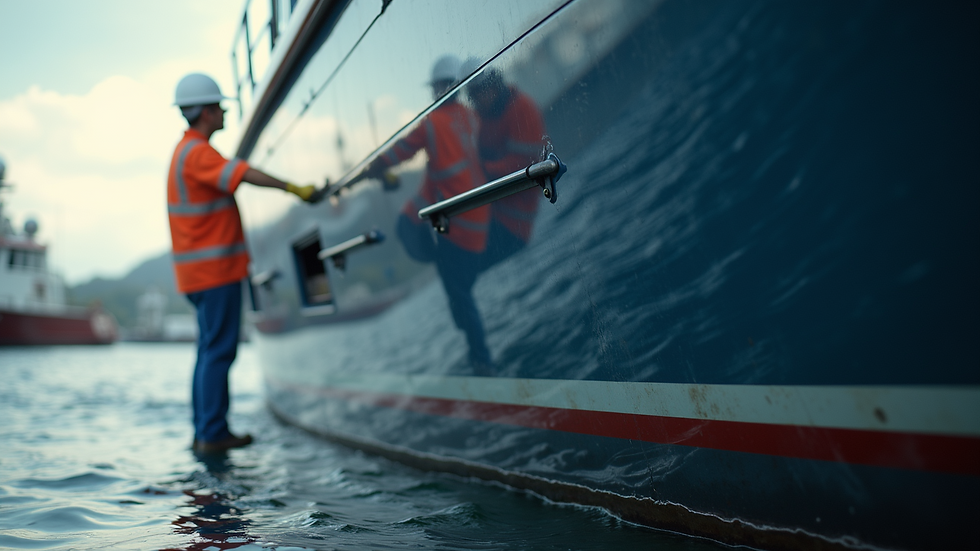
How to Choose the Right Marine Surveyor in Greece
Finding the right surveyor is just as important as the survey itself. Here are some tips to help you choose:
Look for local expertise: A surveyor familiar with the Ionian Islands and Greek waters understands local conditions and regulations.
Check credentials: Make sure the surveyor is certified by recognized marine survey organizations.
Ask for references: Talk to other yacht owners or buyers who have used the surveyor’s services.
Compare prices and services: Don’t just pick the cheapest option. Look for a balance of cost and quality.
Ensure independence: The surveyor should be independent and unbiased, with no ties to yacht brokers or sellers.
Taking these steps will help you find a trustworthy professional who can provide a thorough and honest assessment.
Planning Your Marine Survey: Tips for a Smooth Process
To get the most out of your marine survey, some preparation helps:
Schedule in advance: Surveyors can be busy, especially in peak seasons. Book early to secure your preferred date.
Prepare the yacht: Make sure the yacht is clean and accessible. Remove any obstacles that might hinder inspection.
Be present if possible: Attending the survey allows you to ask questions and understand the findings firsthand.
Review the report carefully: The surveyor will provide a detailed report. Take time to read it and discuss any concerns.
Use the report wisely: Share it with your insurance company, broker, or anyone involved in the purchase.
By planning ahead, you’ll ensure the survey goes smoothly and provides valuable information.
Making the Most of Your Investment in Marine Surveys
Ultimately, the cost of marine inspections is a small price to pay for the confidence and security they provide. Whether you’re buying a new yacht or maintaining your current one, regular surveys help protect your investment and keep you safe on the water.
If you’re considering a yacht in the Ionian Islands or nearby areas, working with a trusted, independent marine surveyor is key. They can guide you through the process, explain the findings clearly, and help you make informed decisions.
Remember, a well-done marine survey is not just an expense - it’s a smart investment in your yachting future.
If you want to learn more about how to budget for your next marine survey or need help finding a reliable surveyor in Greece, feel free to reach out. I’m here to help you navigate the waters with confidence.


Comments